
"Ethiopian coffee farms"
2000 article(s) found

The Ethiopian Coffee Guide gives you a 5-minute understanding of the origin of coffee
Ethiopia is recognized as the birthplace of coffee and is highly respected in the specialty coffee industry. Coffee beans from this country are the staple food on the menu of coffee shops around the world. But why is Ethiopian coffee so well received? How much do you really know about this origin? Coffee production areas in Ethiopia vary widely from region to region, micro-region and even from farm to farm.

Trabocca's Red Cherry Project (ORC) Sunlight Sidama operation Cherr
Operation Cherrie Red (ORC) is a project to improve the quality of small-scale farms. The main purpose is to encourage farmers and surprise roasters. Trabocca, the largest coffee bean manufacturer in the Netherlands, invites all Ethiopian farms to produce small batches of beans of about 1500-3000 kg (25 - 50 bags) before the harvest season. Women can only select 100% mature beans.

What are the suggestions for Ethiopian single bean baking in Ethiopia's single bean farm?
Professional baristas Please pay attention to the coffee workshop (Wechat official account cafe_style) because of the different planting methods, coffee can be divided into three types: forest-semi-forest coffee (Forest or semi-forest coffee), courtyard coffee (Garden coffee) and plantation coffee (Plantation coffee). 60% of the coffee belongs to forest-semi-forest coffee. In such a wild place

What is the Ethiopian red cherry project? bidding for batches of Harrokma processing plant sun-dried coffee beans
Professional coffee knowledge exchange more coffee bean information please follow the coffee workshop (Wechat official account cafe_style) Ethiopia Guji Haro-Korma Station Natural G1 Red Cherry Project bidding batches of Ethiopian coffee Guji Haroke horse processing plant first-class sunburn country: Ethiopia grade: G1, Sc. 16-17, Hand picked. Production area: G

African coffee beans, ancient Ethiopian coffee, three cultivation of Ethiopian coffee.
Professional coffee knowledge exchange more coffee bean information please follow coffee workshop (Wechat official account cafe_style) Qianjie Coffee today introduces Ethiopian coffee, Ethiopia has the world's most diverse coffee ecosystem (forest coffee, semi-forest coffee, pastoral coffee and plantation coffee), which allows its rich Arabica genes to be preserved, plus sun exposure,

Sidamo-Shirley (SHILICHO) cooperative G1 waterwashed bean baking recommended flavor adjustment
Professional barista exchanges please follow the coffee workshop (Wechat official account cafe_style) Ethiopia Sidamo-Shirley (SHILICHO) Cooperative G1 washed beans Fair Trade Association Ethiopia is the country where coffee was first discovered, there is still a lot of wild coffee for farmers to harvest in the primeval forest. Ethiopia is a country of poverty, drought and civil war.

Introduction to the regional treatment method G123 for the description of the flavor of Yejia Coffee Coffee Farm
Yega Coffee Cocket Flavor description Coffee Farm production area treatment method G123 introduces that coffee trees are mostly planted in farmers' own backyards or mixed with other crops in the field, and the yield per household is small, which is a typical rural coffee. These mountain villages are foggy, like spring all year round, with a gentle breeze in summer, cool but not hot, rain but not damp, and no cold damage in winter, giving birth to the unique fragrance of oranges and flowers.

Four major cultivation systems of Ethiopian coffee analyze in detail how Ethiopian coffee is cultivated.
Forest coffee (Forest Coffee): wild coffee, which accounts for 10% of Ethiopia's national output, is distributed in the wild coffee forest areas of the west and southwest, also known as the Kafa forest. The dense trees here provide the most natural shade for coffee trees and do not need manual care. Mother Earth is in charge of birth, aging, sickness and death, and coffee farmers can go directly to the woodland to harvest. Hansen

Which kind of coffee is ranked by Essex? what is the difference between the red standard and the gold standard?
Professional coffee knowledge exchange more coffee bean information please follow the coffee workshop (Wechat official account cafe_style) front street-Rosia Village Gold Standard, Red Standard Coffee knowledge sharing 2007, documentary director Adam Overton and photographer wife Rachel Samuel came into contact with Banchi Magi area (Be) while shooting a documentary about Ethiopian coffee for the Ethiopian government.

Introduction of Cayong Mountain Manor in Ethiopia and description of Coffee Flavor
The Kayong Mountain Farm is located in the Oromia area of the Guji producing area in southern Ethiopia. In the past, Guji was listed as the producing area of Sidamo, but although the shape of Guji coffee beans is similar to Sidamo, it has its own unique style. After years of debate, the Ethiopian government has granted Guji producing areas a unique geographical distinction. April 18, 2017, with the help of Ethiopia card

Introduction to the unique flavor and taste characteristics of Ethiopian coffee manor
A large amount of coffee production (95%) is done by small shareholders, with an average yield of 561 kg per hectare. For centuries, minority holders of Ethiopian coffee farms have been producing a variety of high-quality types of coffee. The secret of producing high-quality coffee is that coffee growers have developed environmental conditions through generations of repeated learning about the coffee planting process.

Woka Worka Estate Ethiopian Coffee Bean Yega Sherffi G1 Grade Sherffi Native Species
This bean comes from a single farm in Ethiopia and is processed by the Worka cooperative. Alemayehu Alako Farm is a member of the Waka Cooperative. Waka Cooperative was founded in 2005 and joined the Yirgacheffe Coffee Farmers Cooperati (YCFCU) in 2005.
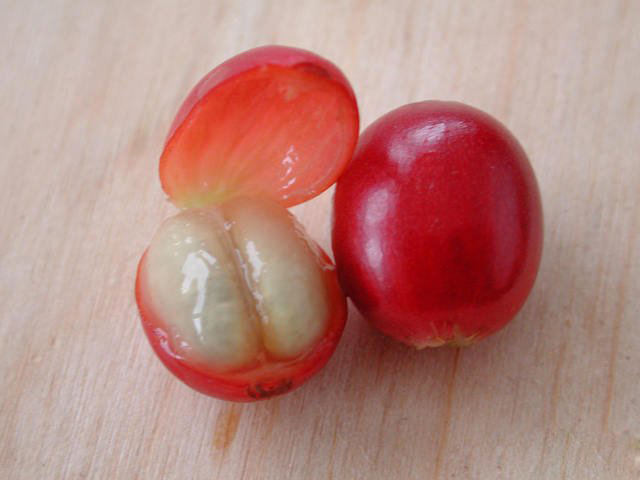
Trabocca operation Cherrie Red Red Cherry Project Fine Coffee
Operation Cherrie Red's Red Cherry Project (ORC) is a project to improve the quality of small-scale farms, mainly to encourage soybean farmers and surprise bakers. Trabocca, the largest coffee bean manufacturer in the Netherlands, invited all Ethiopian farms to produce small batches of beans of about 1500 to 3000 kilograms (25,000,50 bags) before the harvest season. Women can only choose 100% ripe beans.

Ethiopian Martha Manor Coffee
Professional coffee knowledge exchange more coffee bean information please follow Coffee Workshop (Wechat official account cafe_style) Olympic gold medalist Helge Bresselasi is famous not only in his native Ethiopia, but also all over the world. In addition to his many achievements as a long-distance running champion, Haier has many thriving businesses in Ethiopia, including his presence in the country.

Ethiopian Coffee History Ethiopia Harald Coffee
For more information on coffee beans, please follow the coffee workshop (Wechat official account cafe_style) Ethiopia is recognized as the birthplace of coffee, but it must be added that the Arabica line was first discovered in southern Sudan and did not flourish until it spread to Ethiopia. So people here began to eat coffee fruit, at first when
Introduction to the flavor and taste of red cherry project Wottuna Boltuma Watima washed coffee beans
Professional baristas please follow the coffee workshop (Wechat official account cafe_style) operation Cherrie Red "Red Cherry Initiative" (ORC) is a project to improve the quality of small-scale farms, mainly to encourage soybean farmers and surprise roasters. Trabocca, the largest coffee bean seller in the Netherlands, invited all Ethiopian farms to produce small quantities for them before the harvest season.

Description of varieties and Flavor of Coffee Farm in Ethiopia introduction of Fine Coffee by Taste treatment
Ethiopian Coffee Manor Variety Flavor description Taste processing method Fine Coffee Yirga Cheffe grows in the southern Ethiopian plateau at an altitude of 5700-7800 feet above sea level, located in the northwest of Sidamo province and around Lake Abaya. It is usually sweeter and more popular than most people, with an annual output of about 225000bags/60kg and a smaller bean body than Longberry.

Introduction to the flavor and taste characteristics of Ethiopian coffee with unique high-quality coffee
In September 1974, a group of young officers formed the Coordination Committee of the Army, the Police and the Local Army (DERGUE, meaning SHADOW, and later generally referred to as the junta and the Mengistu regime) launched a military coup to overthrow the government of Haile Selassie and announced the end of monarchy and the establishment of an interim junta. In November, the interim military junta was changed to the interim military Administrative Council. In December, interim military administration

Characteristic description of washed coffee beans in Ethiopian Red Cherry Project Mormora Momora Plantation
Professional barista exchanges please follow the coffee workshop (Wechat official account qianjiecoffee) Ethiopia is the country where coffee was first discovered, in terms of coffee quality and output, Ethiopia is still the most important producing country and the best, coffee is mostly the traditional Arabica species, the annual output is about 350000 tons and more than 70% are exported to countries around the world, about 15 million people in the country are engaged in coffee

Learn about the flavor of Kenyan coffee with Yejashifi red cherry
Professional barista exchange please follow the coffee workshop (Wechat official account cafe_style) Yega Xuefei Red Cherry: the Red Cherry Project is a project to improve the quality of small-scale farms, the main purpose is to encourage soybean farmers and surprise roasters. Trabocca, the largest coffee bean seller in the Netherlands, invited all Ethiopian farms to produce small quantities of about 1500-3000 kg (25 kg) before the harvest season.